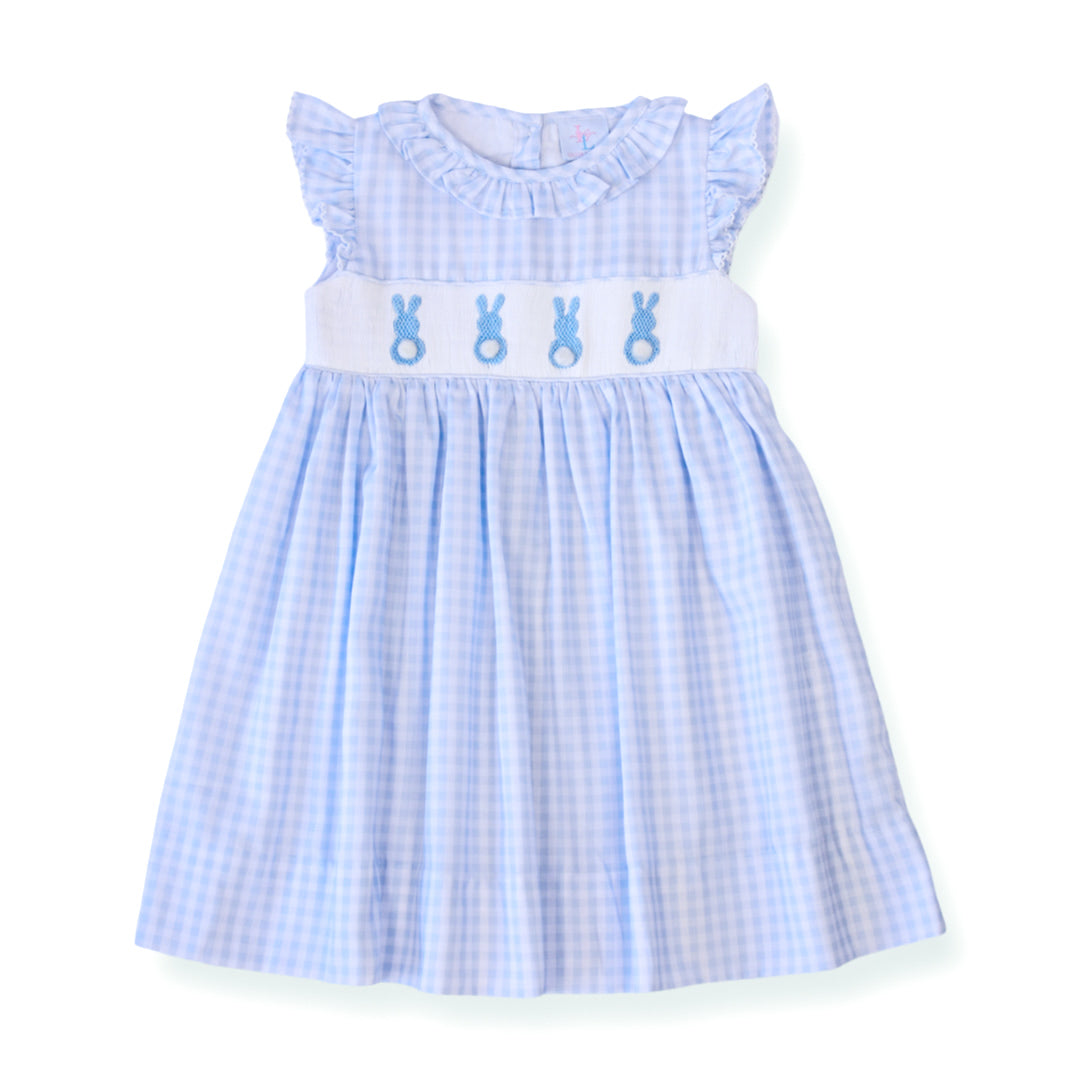
I've worn both sheer and opaque tights over the years, but currently prefer a lower denier tight they feel a little more on-trend
Girls fashion hack #1: Use nail polish clear coat on fraying thread ends to stop further unraveling until you can properly repair the item
Sizes available have been converted from original UK sizing, see the size chart for approximate translations
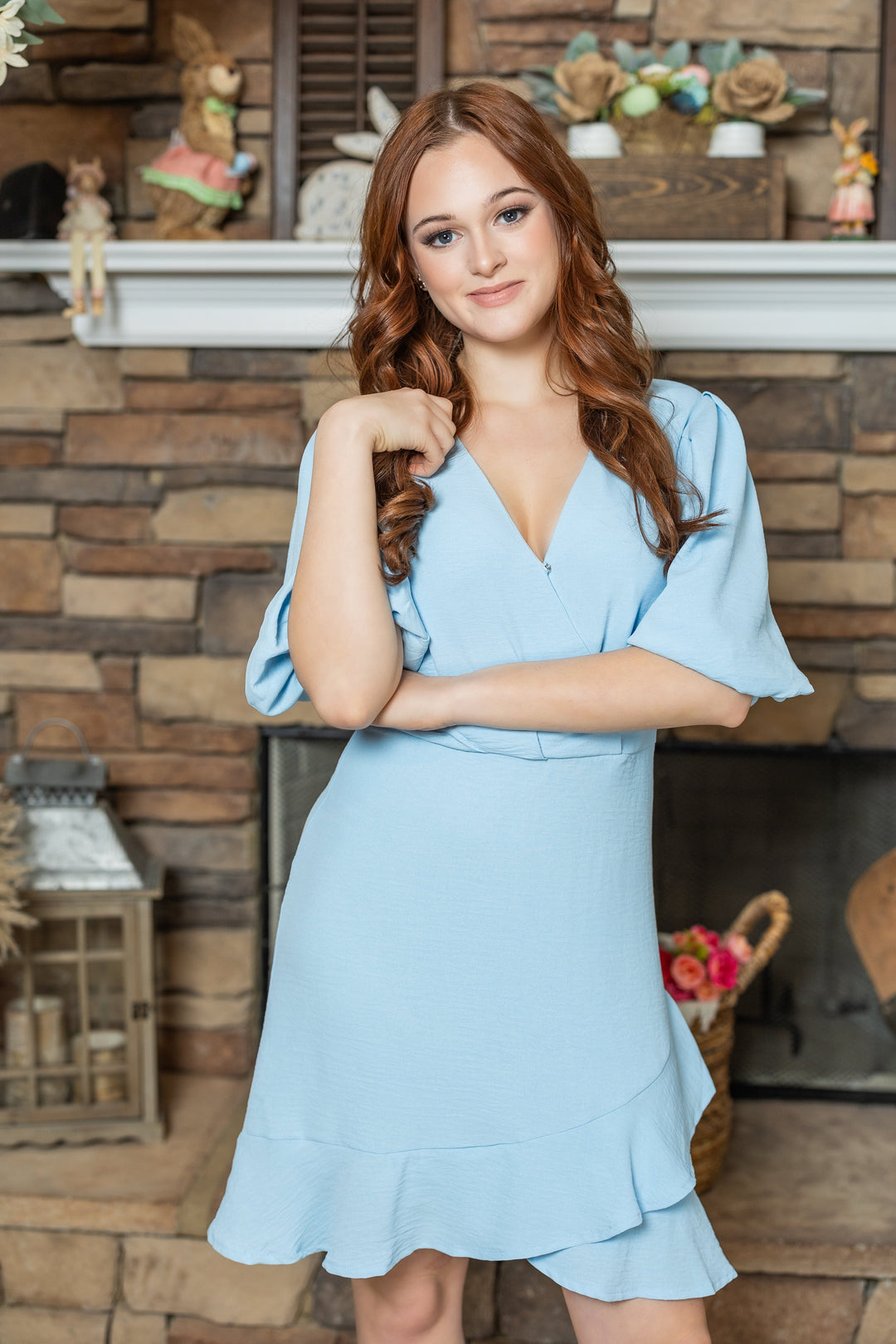
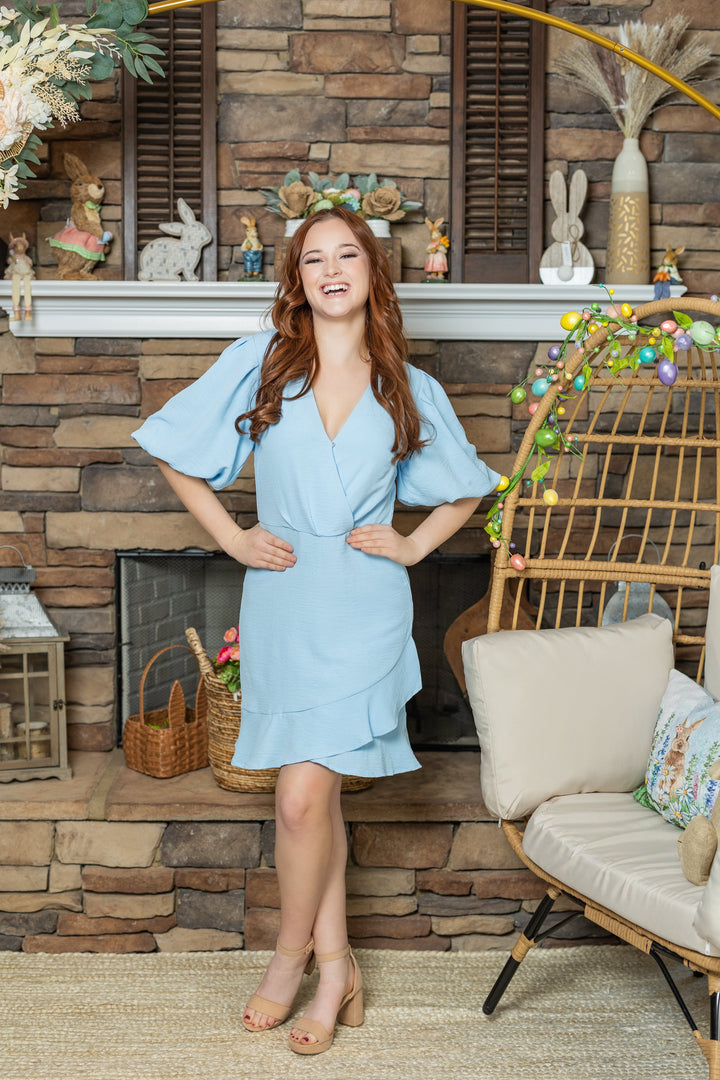
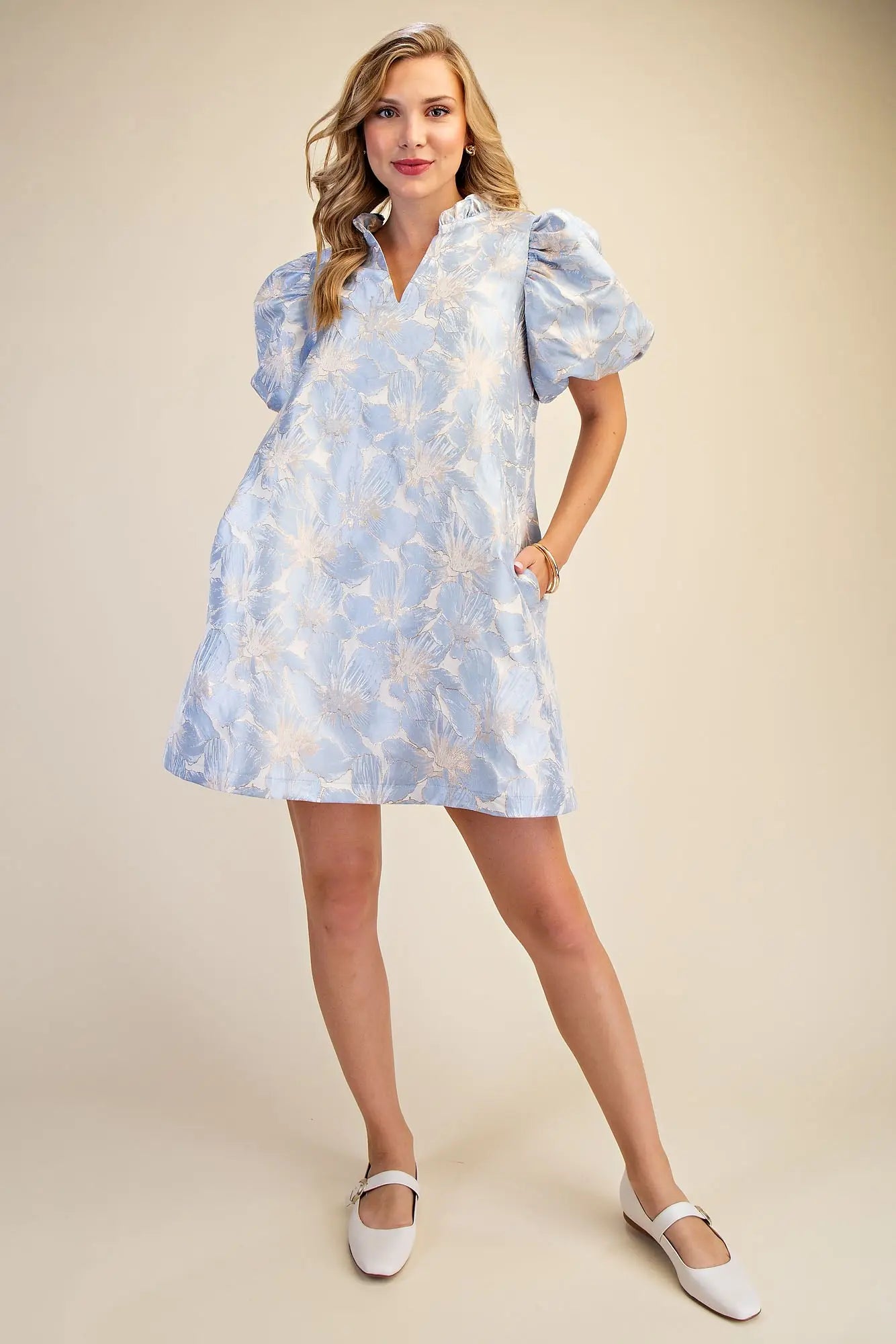
If the sleeve is big, I keep the skirt flare moderate, and I use a neckline that opens the chest area so the garment looks intentional, not heavy
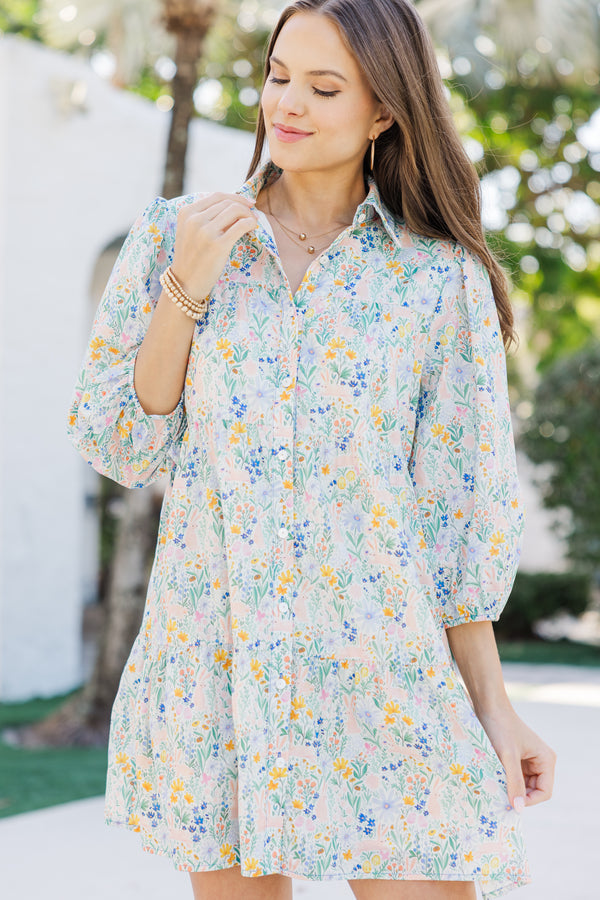
The sleeve is a system, not one pattern piece Sleeve head volume: gathers or pleats at the cap Sleeve belly volume: the balloon area on upper arm Sleeve opening control: elastic or cuff that traps air Underarm mobility: enough ease so the wearer can lift arms Puff sleeve options I use in production The most important pattern measurements I control Sleeve cap height: drives puff height and arm mobility Bicep circumference: prevents tightness and seam strain Armscye shape: prevents pulling lines on bodice Cuff/elastic length: controls how much air stays inside Shoulder slope match: prevents sleeve from leaning forward A practical fit test I run on sampling Model raises arms to shoulder height and above head Model sits and reaches forward I check if bodice lifts or bust pulls I check underarm rubbing and seam bite I photograph front/side/back in motion, not just standing Common cheap look triggers and how I avoid them Too much gather with thin fabric I add structure or reduce fullness Puffy sleeve + wrinkly fabric I change weave or add finishing Narrow shoulder seam with big sleeve I widen shoulder and stabilize No lining in light color I add lining or use better fabric opacity How do fabric choices change the performance of a puff-sleeve A-line dress
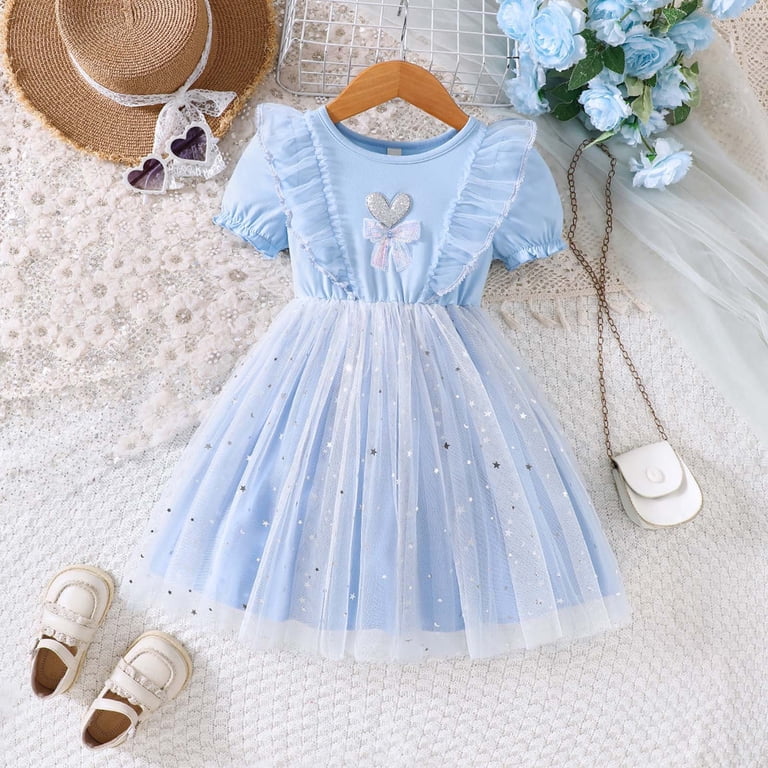
;)) But even I decided to shed my winter layers this week as warmth descended on New York City