The Trading Post The next section will be exploring the 3 steps to trading: meeting people to trade, actually trading cards, and finishing up the trade
But theyre also good for: Deciding who gets first turn in the match Simulating coin flips for The Gold Saucer (call odds/evens instead of heads/tails) Randomly choosing a card for Sin, Spiras Punishment Tracking the mana in your mana pool (if a card like Esper Terra makes a lot all at once) Representing the numbers (and/or stats) of tokens you create Keeping count of random statistics that your cards care about, like how close you are to transforming Emet-Selch or how many times Sephiroth has triggered this turn Helping you remember important upkeep triggers like Dark Confidant or Seymour Flux (place a die on top of your deck every turn so you cant draw a card without stopping to remember why its there) and plenty more
The mana value of the back face of a transforming double-faced permanent is the mana value of its front face
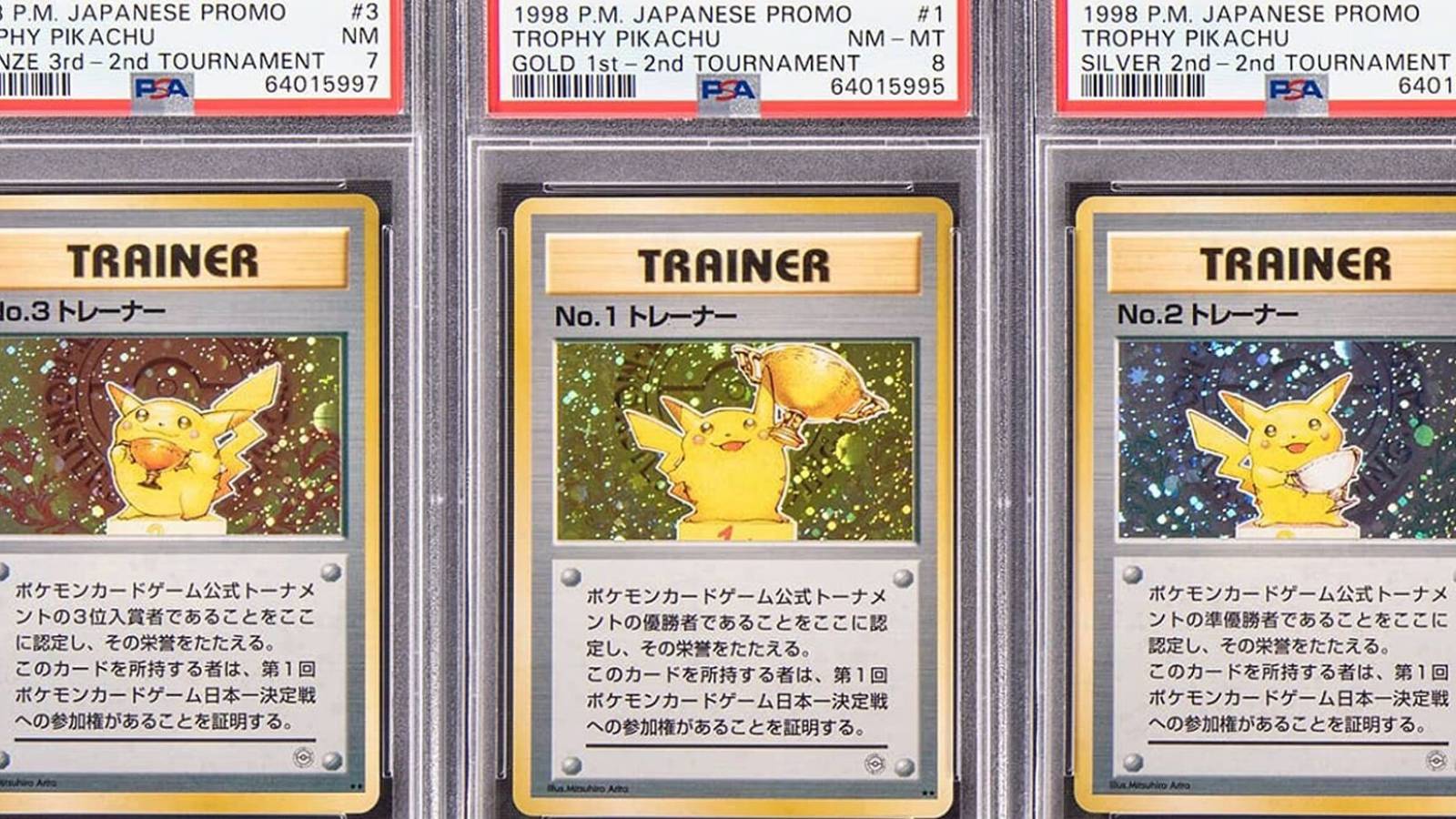
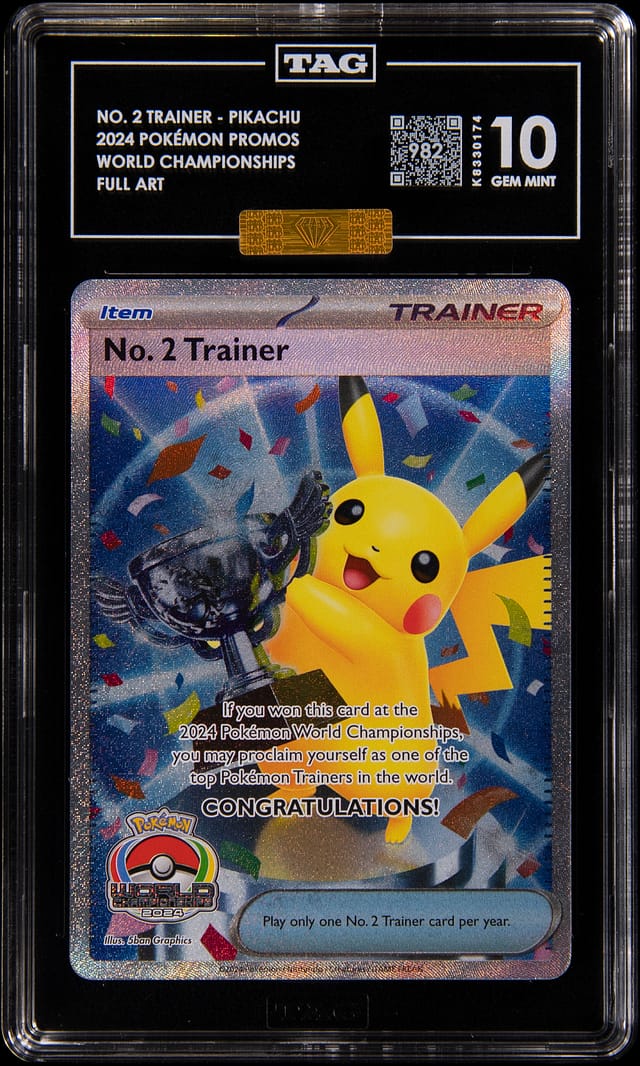
"Over the past few months, the Pokmon card collecting community has increased dramatically," he said in a June 2017 email interview
Organization Methodology for Deckbuilding Deckbuilding does not generally require quite as much precision as organizing a collection for trade or sale
She is broad and repetitive removal